
What Are Composite Restorations?
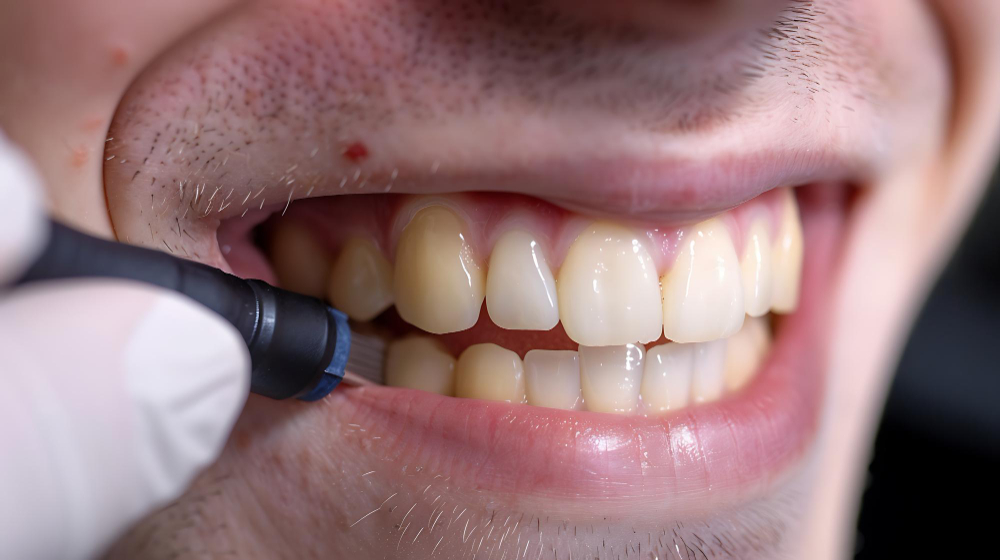
Composite restorations are tooth-colored fillings used to repair damaged teeth. Dentists often choose these materials because they blend well with your natural teeth. In fact, composite tooth restoration is now a popular choice for people who want a natural look. Unlike metal fillings, these fillings are made from a mix of plastic and fine glass. As a result, they are strong and can last for years. Many dental clinics offer composite restorations in cities across the country.
Common Symptoms and Dental Issues Addressed by Composite Restorations
Many people visit the dentist with tooth pain or visible damage. For example, you may notice a chipped or cracked tooth. Sometimes, you might see a cavity or dark spot. Composite restorations can help fix these problems. Dentists use them to treat:
Because composite fillings match your tooth color, they are ideal for visible teeth.
Causes of Tooth Damage Requiring Composite Restorations
Tooth damage can happen for many reasons. For instance, eating sugary foods often leads to cavities. Sometimes, accidents or sports injuries cause chips or cracks. In addition, grinding your teeth at night can wear them down. Poor brushing and flossing habits also increase the risk of decay. According to the Centers for Disease Control and Prevention (CDC), tooth decay remains one of the most common health issues worldwide. Therefore, it is important to know what causes damage so you can protect your teeth.
How Dentists Diagnose the Need for Composite Restorations
First, your dentist will ask about your symptoms. Next, they will examine your mouth and teeth. Often, they use a small mirror and special tools to check for soft spots or cracks. Sometimes, X-rays help spot hidden decay or damage. If your dentist finds a problem, they will explain your options. In many cases, composite restorations are recommended for natural-looking dental fillings. This way, you can make an informed decision about your care.
Step-by-Step Overview of the Composite Restoration Procedure
Getting a composite restoration is a simple process. Here is what you can expect:
Because the material matches your tooth, the result looks very natural.
Benefits of Composite Restorations, Including Aesthetics and Durability
Composite restorations offer many benefits. Most importantly, they look like your real teeth. This means you can smile with confidence. In addition, these fillings bond well to your tooth, which helps keep it strong. Many people find that composite fillings are less noticeable than metal ones. Also, dentists can use them for both front and back teeth. According to the American Dental Association, composite fillings are safe and effective for most patients. With proper care, they can last for several years.
Aftercare and Lifestyle Guidance for Maintaining Composite Restorations
After your composite restoration, good care is important. For best results, brush your teeth twice a day with fluoride toothpaste. Floss daily to remove food and plaque between teeth. Try to avoid biting hard objects like ice or pens. If you grind your teeth at night, ask your dentist about a mouth guard. Regular dental checkups help spot problems early. Because composite fillings can stain, limit drinks like coffee, tea, and red wine. With these habits, your tooth-colored fillings will last longer.
Prevention Tips to Reduce the Need for Future Restorations
Preventing tooth damage is always better than fixing it. Here are some tips to help you avoid future dental work:
Because prevention is key, these steps can help keep your teeth healthy and strong.
Risks and Considerations Associated with Composite Restorations
While composite restorations are safe, there are some risks. Sometimes, the filling may chip or wear down over time. In rare cases, you might feel sensitivity to hot or cold foods. If the filling is large, it may not last as long as a smaller one. However, most people have no problems with tooth-colored fillings. Your dentist will check your restorations at each visit. If you notice pain or changes, let your dentist know right away. This helps prevent bigger issues later.