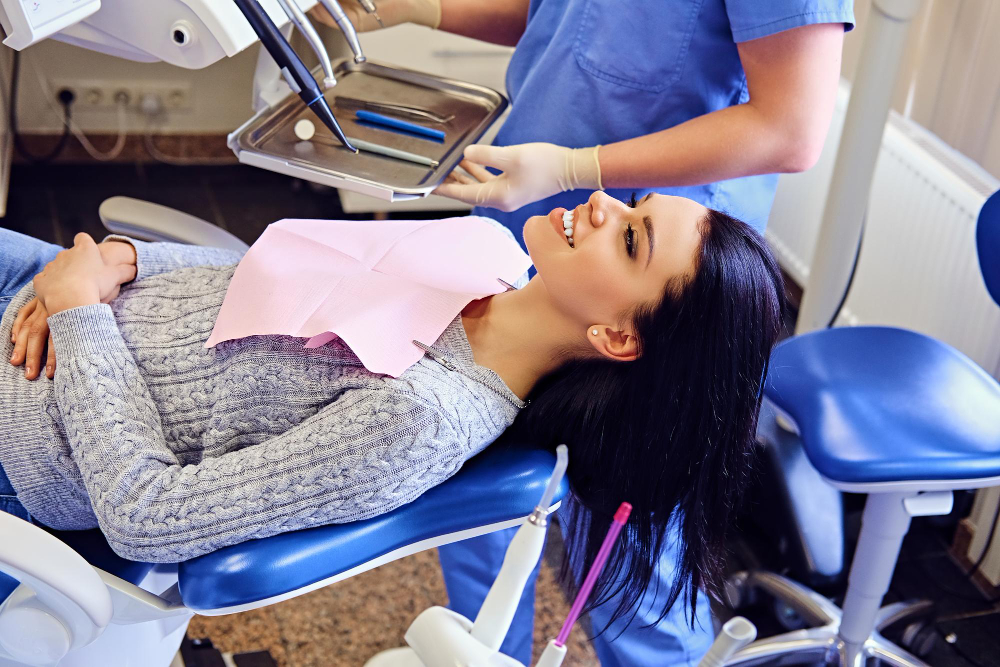
What Is a Root Canal?
A root canal is a dental procedure that saves a tooth with deep decay or infection. During this treatment, the dentist removes the infected pulp, which is the soft tissue inside the tooth. Then, the area is cleaned and sealed. As a result, the tooth can stay in place and function normally. According to the American Association of Endodontists, root canal treatment is safe and effective for most people.
What Is a Single Sitting Root Canal?
In a single sitting root canal, the dentist completes the entire procedure in one visit. This means cleaning, shaping, and filling the tooth all happen on the same day. Many people prefer this option because it saves time. However, not every case is suitable for a single visit. Dentists will first check the tooth and decide if this approach is safe.
What Is a Multiple Sitting Root Canal?
A multiple sitting root canal is done over two or more visits. During the first visit, the dentist removes the infected tissue and cleans the tooth. Next, they may place medicine inside the tooth to help kill any remaining germs. At a later visit, the dentist fills and seals the tooth. This method is often used for teeth with severe infection or swelling.
Key Differences Between Single and Multiple Sitting Root Canals
Both single sitting and multiple sitting root canal procedures aim to save your tooth. However, there are some key differences:
Indications: When Is Each Approach Recommended?
Choosing between single sitting vs multiple sitting root canal depends on several factors. Dentists use their experience and guidelines from dental associations to decide. For example, single sitting root canal may be recommended when:
On the other hand, multiple sitting root canal is often chosen when:
Advantages and Disadvantages of Single Sitting Root Canal
Single sitting root canal treatment has several benefits. For instance, it saves time and reduces the number of dental visits. Many patients feel less anxious when the procedure is finished in one day. In addition, there is less risk of bacteria entering the tooth between visits. However, there are also some disadvantages. Sometimes, the dentist may not be able to fully control infection in one visit. Also, if the tooth is very infected, pain or swelling may return after treatment.
Advantages and Disadvantages of Multiple Sitting Root Canal
Multiple sitting root canal procedures offer more control over infection. For example, dentists can use medicine inside the tooth to help clear up germs. This approach is safer for teeth with severe infection or swelling. However, it does require more time and visits. Some people may find it hard to return for follow-up care. There is also a small risk of bacteria entering the tooth between visits.
Factors Influencing the Choice of Treatment
Several factors help dentists decide between single sitting root canal vs multiple sitting root canal. For instance, the severity of infection is important. If the infection is mild, a single sitting may be safe. However, a severe infection may need more time and care. The shape and number of roots also matter. Some teeth have complex roots that are harder to clean in one visit. Patient health is another key factor. People with certain health issues may need extra care. Finally, the dentist’s experience and judgment play a big role. They will always choose the safest option for you.
Recovery and Aftercare Tips for Both Approaches
After a root canal, caring for your tooth is very important. No matter which method you have, you should follow your dentist’s advice. For example, you may feel some pain or swelling for a few days. Over-the-counter pain medicine can help. Try to avoid chewing on the treated tooth until the dentist places a final filling or crown. In addition, keep your mouth clean by brushing and flossing daily. If you notice severe pain, swelling, or fever, contact your dentist right away.
Prevention of Future Root Canal Needs
Preventing tooth decay and infection can help you avoid future root canal treatment options. For instance, brush your teeth twice a day with fluoride toothpaste. Floss daily to remove food and plaque between teeth. In addition, visit your dentist for regular check-ups and cleanings. Try to limit sugary foods and drinks, as these can cause cavities. Wearing a mouthguard during sports can also protect your teeth from injury. According to the Centers for Disease Control and Prevention (CDC), good oral care is key to keeping your teeth healthy for life.
– Connect with a specialist to understand the next best step.
Conclusion
If you are unsure which root canal approach is best for you, Neilmoulo Seth can help. Schedule a consultation today to discuss your options and get expert dental care.