
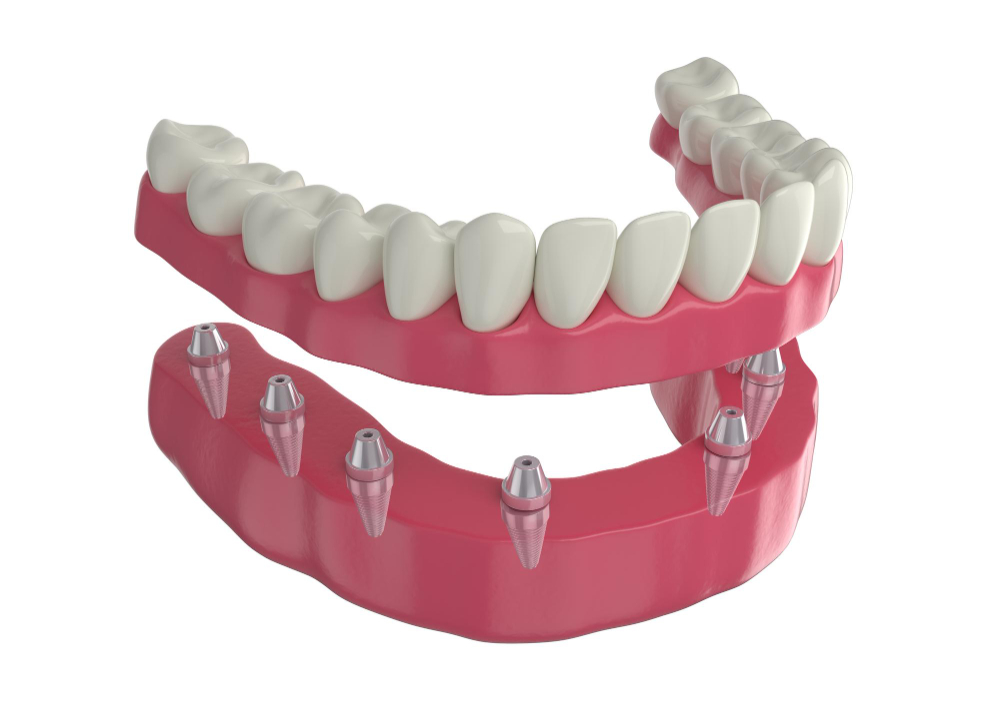
What Are Implant-Supported Dentures?
Implant-supported dentures are a type of denture that attaches to dental implants. These implants are small metal posts placed in your jawbone. Unlike regular dentures, implant-supported dentures stay in place more firmly. Because of this, many people find them easier to use. The American Dental Association notes that dental implants can help support dentures and improve chewing. If you have lost most or all of your teeth, you may want to learn more about this option.
Key Benefits of Implant-Supported Dentures
There are many benefits of implant-supported dentures. For example, they can help you eat and speak better. In addition, they often feel more natural than traditional dentures. Here are some key benefits:
Because implant-supported dentures are stable, many people find daily life easier. According to the CDC, tooth loss can affect eating and speaking. However, implant-supported dentures can help reduce these problems.
The Implant Procedure Step-by-Step
The process for getting implant-supported dentures takes several steps. First, your dentist will check your mouth and jaw. Next, they will place the dental implants in your jawbone. Over time, the bone grows around the implants. This helps hold them in place. After healing, your dentist will attach the dentures to the implants. Here is a simple breakdown:
Sometimes, extra steps are needed if you need more bone in your jaw. Your dentist will explain each part of the process before starting.
Who Is a Good Candidate for Implant-Supported Dentures?
Not everyone can get implant-supported dentures. However, many adults with missing teeth may qualify. You may be a good candidate if:
Even so, some people need extra treatment to prepare their mouth or jaw. For example, a bone graft may be needed if your jawbone is thin. Your dentist will check your health and talk about your options. The World Health Organization says that healthy gums and bones are important for dental implants.
Risks and Considerations
While implant-supported dentures are safe for most people, there are some risks. For instance, the area around the implants can get infected. Sometimes, the implants may not join with the bone as planned. Other risks include:
Because of these risks, it is important to follow your dentist’s advice. If you have health problems like diabetes, your dentist may take extra care. According to the CDC, people with some health conditions may need special planning for dental implants.
Care and Maintenance Tips
Proper care helps implant-supported dentures last longer. First, brush your dentures and gums every day. Next, use a soft toothbrush and gentle toothpaste. Here are some helpful tips:
Because good care is key, always follow your dentist’s instructions. With the right care, implant-supported dentures can help you smile and eat with confidence for many years.
Conclusion
If you are thinking about implant-supported dentures, Dr. Neilmoulo Seth and our team are here to help. Book a consultation today to discuss your options and get expert advice tailored to your needs.