
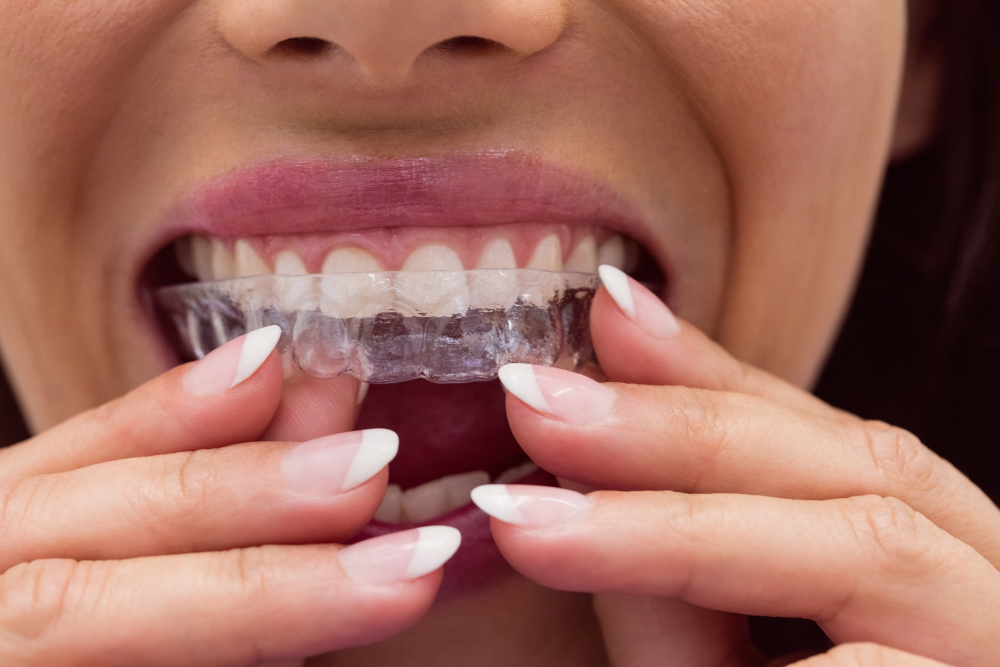
Invisible aligners are a new way to straighten teeth without metal braces. Today, many people choose invisible aligners because they are clear and easy to use. Unlike traditional braces, invisible aligners are almost invisible. They help fix crooked teeth and improve smiles. Many dental clinics now offer clear aligners as a top teeth straightening option. Invisible aligners are also called clear aligners or invisible braces. They are popular in cities and towns across the country.
What Are Invisible Aligners?
Invisible aligners are clear plastic trays that fit over your teeth. They gently move teeth into better positions. Unlike metal braces, invisible aligners do not use wires or brackets. Instead, they are smooth and custom-made for each person. Because they are clear, most people will not notice you are wearing them. For many, this makes invisible braces a more attractive choice. Traditional braces often feel bulky, but clear aligners are thin and comfortable.
How Do Invisible Aligners Work?
First, your dentist or orthodontist will take digital scans or molds of your teeth. Next, a computer creates a plan to move your teeth step by step. After that, you receive a set of custom trays made just for you. Each tray is worn for about one to two weeks. As you switch to each new tray, your teeth move a little more. Most people wear invisible aligners for 12 to 18 months. However, treatment time can vary based on your needs. Regular check-ups help your dentist track your progress.
Benefits of Invisible Aligners
Who Is a Good Candidate for Invisible Aligners?
Many teens and adults can use invisible aligners. They work well for people with mild to moderate crowding or gaps. For example, if your teeth are crooked or have small spaces, clear aligners may help. People with bite problems, like overbite or underbite, may also benefit. However, severe cases might need other teeth straightening options. Your dentist will check your teeth and decide if invisible braces are right for you. Good oral health is also important before starting treatment.
What to Expect During Treatment
During treatment, you will wear your aligners for 20 to 22 hours each day. You should only remove them to eat, drink, or clean your teeth. Each new tray may feel tight at first, but this is normal. You will visit your dentist every few weeks to check your progress. With good care, your teeth will move slowly into place. Remember, wearing your aligners as directed is key for the best results. Daily cleaning helps keep your trays clear and fresh.
Possible Risks and Limitations
Cost and Accessibility
Invisible aligners usually cost between $3,000 and $7,000 in most areas. Prices can change based on your location and the length of treatment. Some dental insurance plans may cover part of the cost. It is a good idea to check with your provider before starting. Many dental offices in cities and suburbs offer payment plans. Because invisible braces are popular, they are now easier to find in many communities.
Tips for Success with Invisible Aligners
For expert consultation and care, book your appointment today. with Dr. Neilmoulo Seth